
Contents+
You can do a reliable color analysis at home for free. In daylight, with no makeup, hold clothes you already own up to your face and watch your skin. The colors that even it out point you to your season. The whole trick is good light and an honest look.
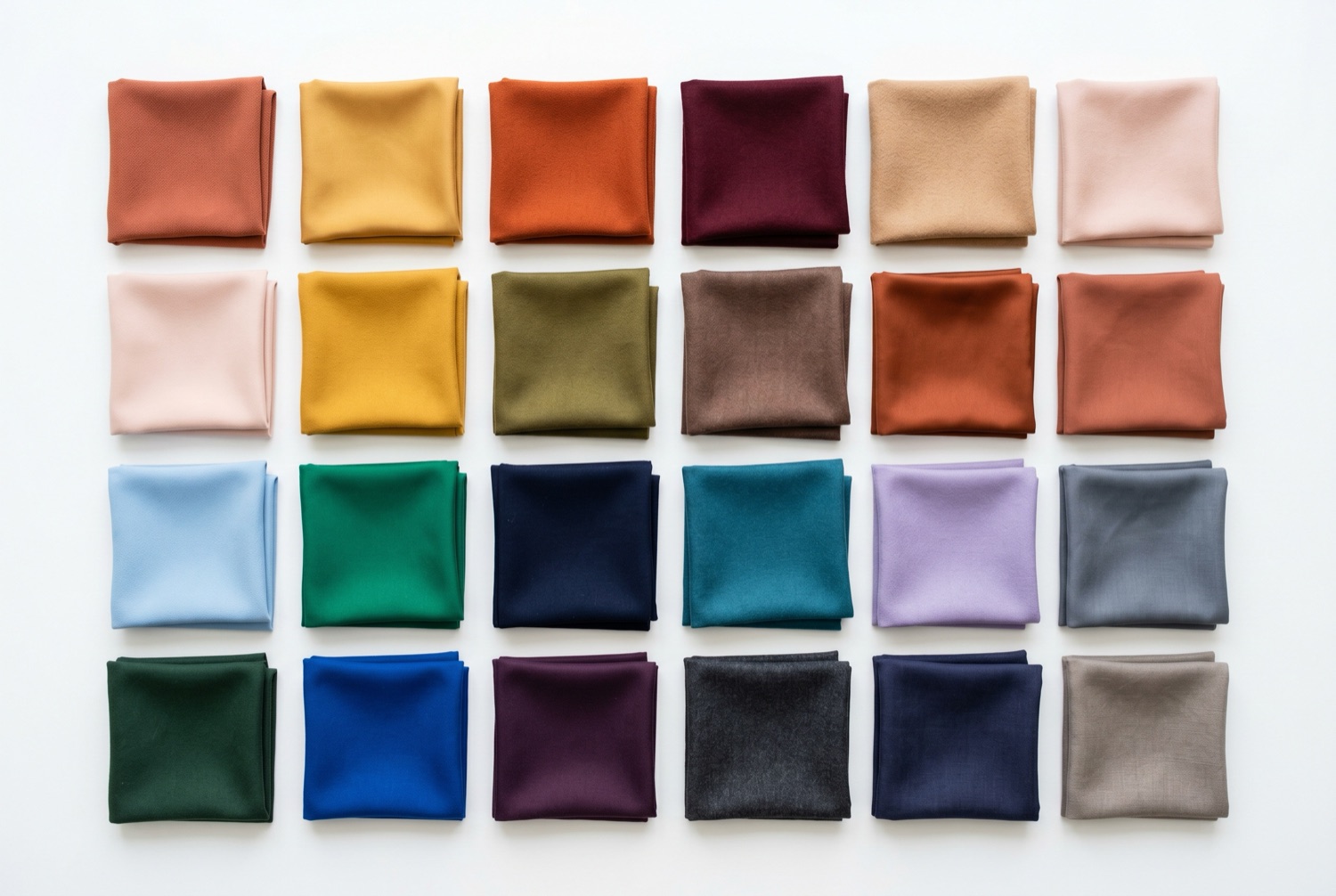
How to do color analysis at home
- 1Set up near a window in indirect daylight. No makeup, hair pulled back, wearing a neutral grey or white top.
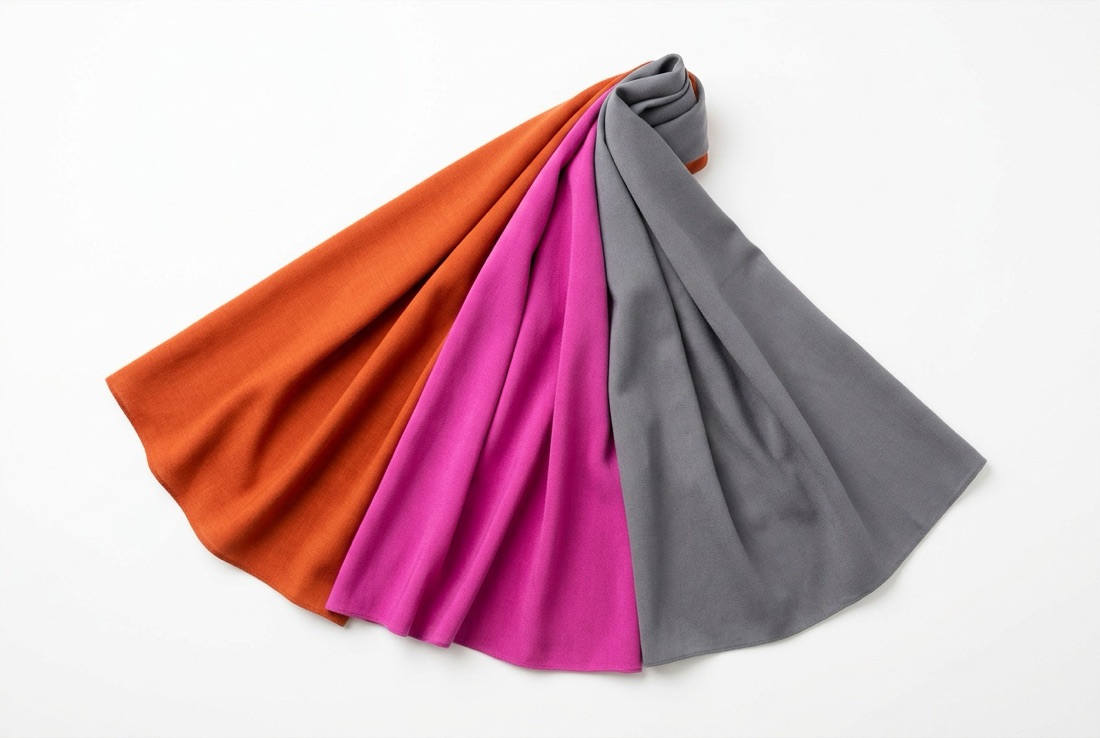
- 2Test undertone: drape a clearly warm color (orange or gold), then a clearly cool one (fuchsia or blue), and see which evens your skin.
- 3Test depth: compare a very light shade against a very deep one and note which one overwhelms you.
- 4Test chroma: hold a bright saturated color beside a soft muted version of it.
- 5Combine your three results into a season, then check it against that season's palette page.
Lighting is the whole game
This is where almost everyone goes wrong. Warm bulbs make you look warm, cool LEDs make you look cool, and either one will hand you the wrong answer. Sit near a window in indirect daylight and judge in the morning or around midday, not at sunset when everything turns gold.
You already own a drape kit
No need to buy anything. Pull a few pieces from your closet that go warm and cool, light and deep, bright and muted. You're not matching paint chips, you're watching how your skin reacts, so rough colors are fine as long as they're clearly different from each other.
When DIY runs out of road
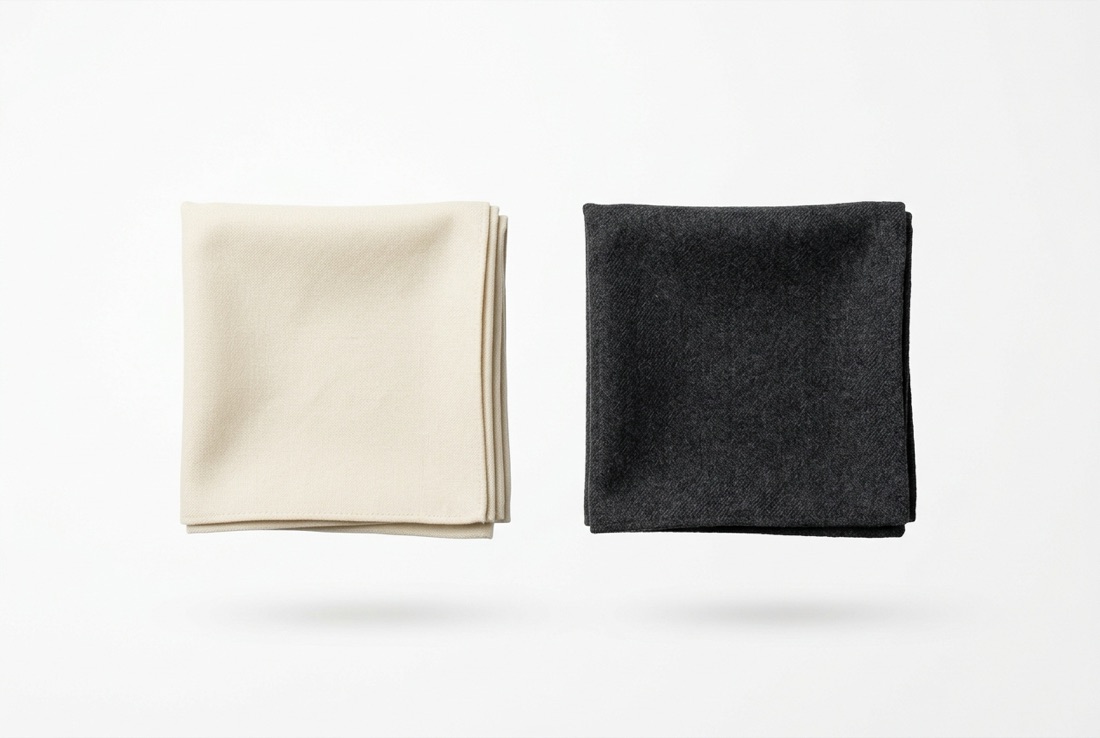
Done in decent light, this gets most people to the right family and usually the right season. Where it struggles is the close calls, two neighbouring seasons that look nearly identical to the naked eye. That's the point where a photo-based analysis earns its keep, because it takes the lighting and the wishful thinking out of it.
Quick answers
Common questions.
Can I do color analysis at home for free?+
Yes. In indirect daylight, bare-faced, drape warm against cool, light against deep, and bright against muted clothing near your face and watch which evens your skin. That points to your season at no cost.
What do I need for at-home color analysis?+
Neutral daylight, no makeup, hair back, and a spread of clothes in clearly different colors. A grey or white base layer keeps other colors from interfering.
Is at-home color analysis accurate?+
It reliably gets you to the right family and often the exact season. Lighting causes most of the errors, so fix that and the results hold up. A photo analysis adds precision when you're torn between two seasons.
Emily Kim
Color researcher, Yuree
Emily researches color theory and the science behind seasonal analysis at Yuree. She digs through the studies and the data so the guides are built on more than vibes, and translates the findings into steps you can actually follow.
Further reading