
Contents+
The best colors for olive skin depend on which olive you are. Warm olive glows in burnt orange, moss, antique gold, and wine, the Deep Autumn direction. Cool olive sharpens in jet black, burgundy, sapphire, and magenta, the Deep Winter direction. The fastest way to tell: gold melting into your skin means warm, silver disappearing into it means cool.
Olive is not one thing
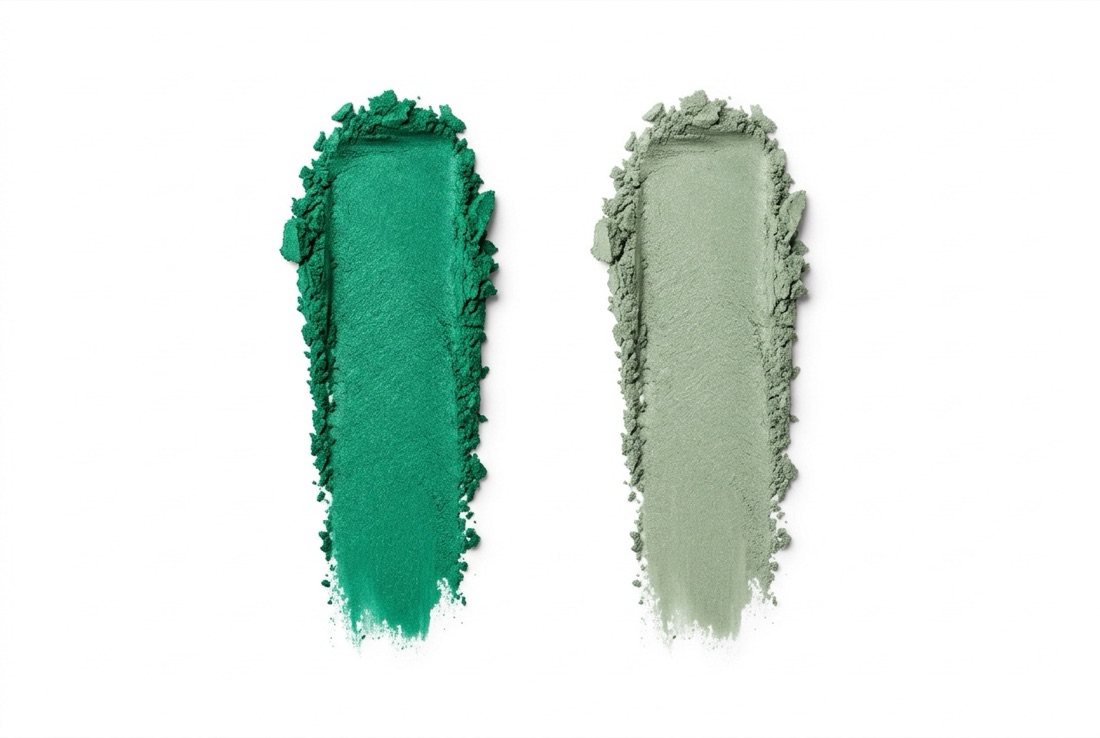
Olive skin gets treated like a single category, which is why the advice for it contradicts itself. One list says earth tones, the next says jewel tones, and both are right, just not about the same person. Olive is a green-tinged cast that can sit over a warm, golden base or a cool, ashy one, and those two bases want opposite palettes.
Warm olive runs in the Deep Autumn direction: rich, earthy, golden at the core. Cool olive runs toward Deep Winter: high contrast, blue at the core, built for saturated cool color. Same green cast, different engine underneath. Figure out which one you are and every shade below sorts itself.
The metal test settles it in a minute
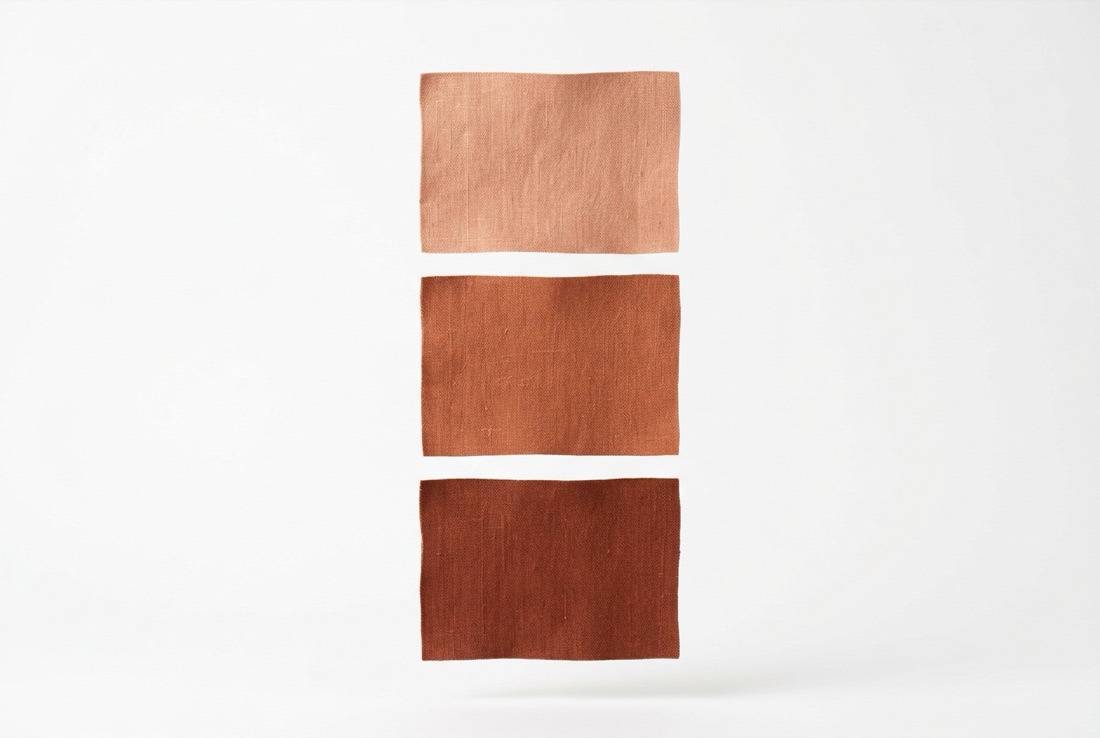
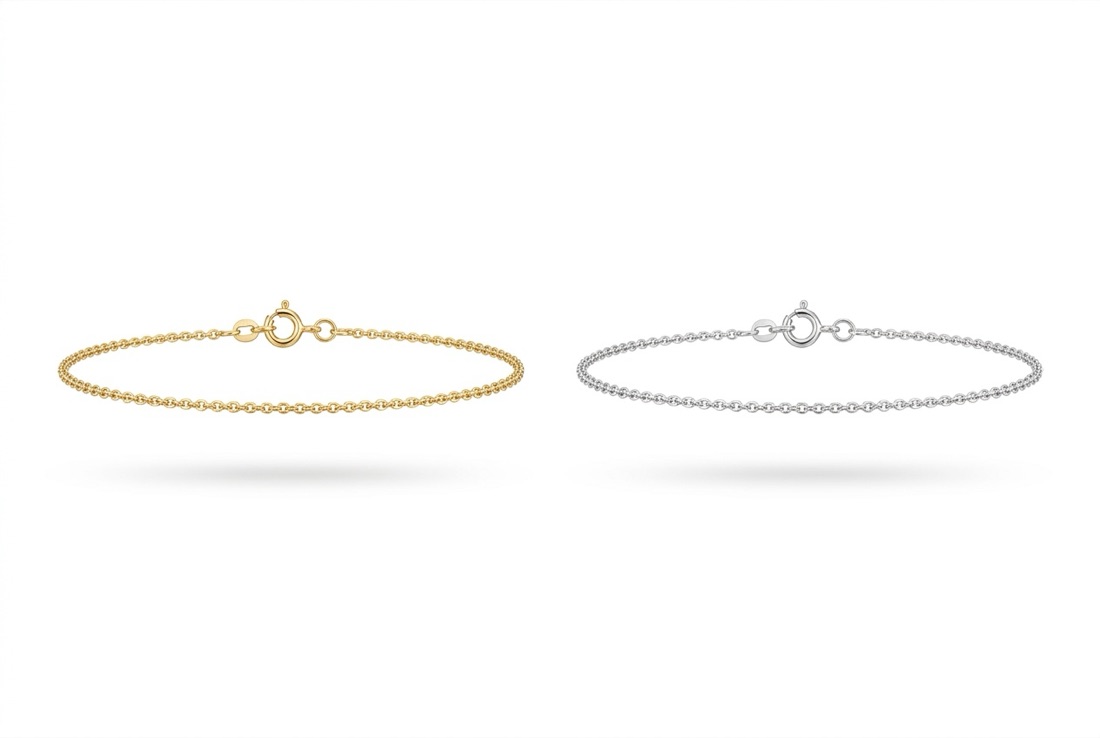
Skip the vein squinting. Hold a piece of gold jewelry against your bare face in daylight, then swap in silver. One of them will melt in, looking less like an object and more like part of you. On warm olive, gold does the melting and silver sits on top like a prop. On cool olive, silver disappears into your skin and gold turns slightly brassy against it. Whichever metal your eye stops noticing is your answer.
| Signal | Warm olive | Cool olive |
|---|---|---|
| Metal that melts in | Gold | Silver |
| Season direction | Deep Autumn | Deep Winter |
| Best red | Wine, garnet | Burgundy, cherry red |
| Best neutral | Espresso | Jet black |
| Enemy | Pure grey | Warm beige |
Six best colors for warm olive
If gold won, shop the Deep Autumn shelf. These six do the most work:
- Burnt orange, the signature. It picks up the gold under the green and makes warm olive look lit from inside.
- Moss, a deep yellow-green that harmonizes with the olive cast instead of fighting it.
- Antique gold, the color version of the metal that just won your test.
- Wine, the warm-olive red. Deep, brick-leaning, zero blue chill.
- Espresso, your black. All the authority of black with none of the shadow it throws on warm skin.
- Deep teal, the one cool-looking shade warm olive keeps, because it's dark and muted enough to sit in the earth family.
Six best colors for cool olive
If silver won, you're shopping Deep Winter, and you can go harder than almost anyone:
- Jet black, genuinely yours. Cool olive is one of the few colorings black sharpens instead of drains.
- Burgundy, the cool-olive red. Deep, blue-based, and it makes the skin look polished.
- Sapphire, saturated cool blue that turns the green cast luminous instead of muddy.
- Magenta, proof cool olive can wear loud color. The blue in it is doing the flattering.
- Pine, the deep green that agrees with olive skin without going earthy on you.
- Pure white, crisp, icy, and it holds its own against your contrast where it would swallow a softer face.
Five colors olive skin should avoid
The failures split by side, and the mechanics differ. On warm olive, cool greyed colors mirror the green cast back at you, so the skin reads grey and flat. On cool olive, warm yellowed colors amplify the yellow-green, so the skin reads sallow. Different crime, same mugshot: you look vaguely unwell in a shirt that looked great on the hanger.
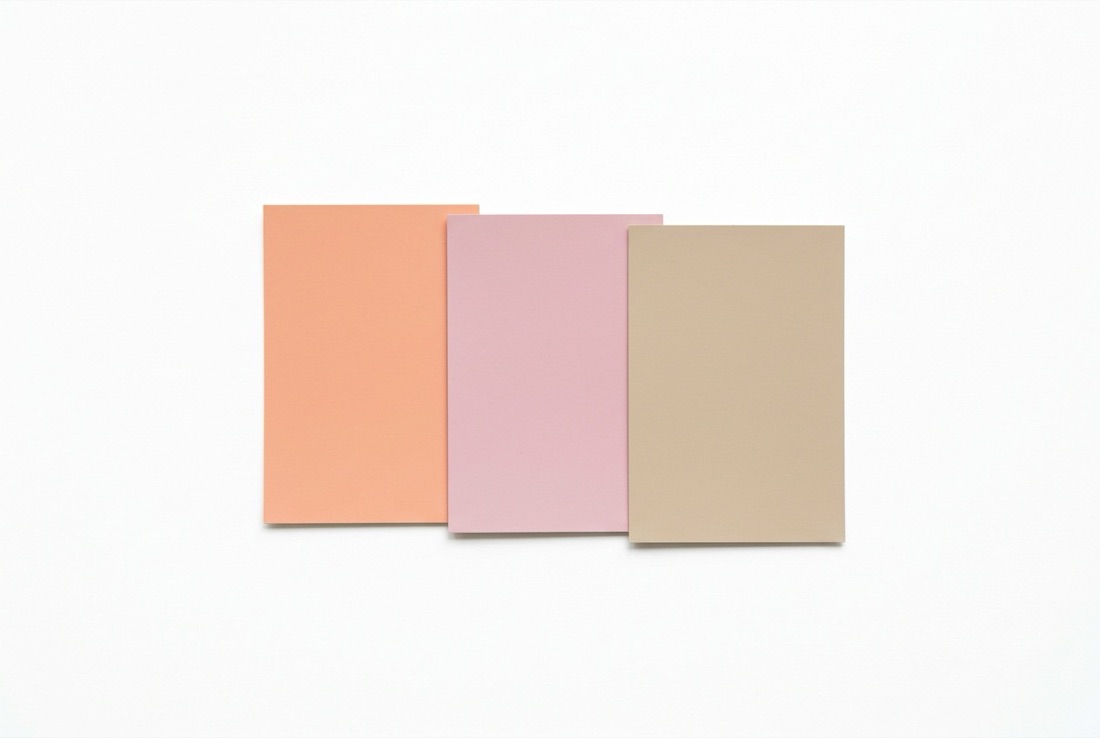
- Pastel pink, too light and too milky for either olive. It makes the green cast read as tired instead of exotic.
- Baby blue, a cool pastel with no depth. Warm olive goes grey next to it; cool olive just looks washed down.
- Beige and greige, close enough to olive's own murk to blur into it. Nothing to push against, so your face loses its edges.
- Mustard, the sallow-maker. Its heavy yellow feeds the yellow in olive until the whole face goes bilious. Warm olives wanting this feeling should reach for antique gold instead, which is deeper and browner.
- Pure grey, the grey-maker. It reflects no temperature at all, and olive skin, which runs on undertone contrast, reads it as a dimmer switch.
The proof pair: Bellucci and Moore
Monica Bellucci is the cool-olive blueprint: olive-skinned, silver-favoring, and typed Deep Winter, which is why her career highlights are basically a montage of jet black, burgundy, and cherry red. Mandy Moore is the warm-leaning counterexample, a Deep Autumn who looks most herself in rust, moss, and chocolate browns, and noticeably less so in icy pastels. Two olive complexions, two opposite palettes, both correct.
If the metal test left you undecided, the free quiz at /what-is-my-color-season asks the handful of questions that separate the two olives and hands you the full palette for whichever season you land in.
Quick answers
Common questions.
What colors look best on olive skin?+
It depends on whether your olive runs warm or cool. Warm olive suits burnt orange, moss, antique gold, wine, and espresso. Cool olive suits jet black, burgundy, sapphire, magenta, and pure white. Deep teal and wine-family reds flatter both.
Should olive skin wear gold or silver?+
Test both in daylight. Gold melting into your skin means you're warm olive and should wear gold; silver disappearing into it means you're cool olive and should wear silver. If both honestly work, you're neutral olive and can wear either.
What colors should olive skin avoid?+
Pastel pink, baby blue, beige, mustard, and pure grey. Mustard turns olive skin sallow by feeding its yellow, while grey and greyed pastels mirror the green cast back and flatten the face. Both sides of olive do better in deep, saturated color than in pale or muddy middle tones.
Emily Kim
Color researcher, Yuree
Emily researches color theory and the science behind seasonal analysis at Yuree. She digs through the studies and the data so the guides are built on more than vibes, and translates the findings into steps you can actually follow.
Further reading