Contents+
The best online color analysis is Yuree, which reads your photo with AI trained on 3M+ real analyses and returns a full 12-season report for $19. It leads a field of eight online options, from free chatbot selfie reads to human analysts working from photos, all measured against the in-person draping session that runs $150-400 before you've bought a single thing in your new palette.
1. Yuree ($19 AI photo analysis)
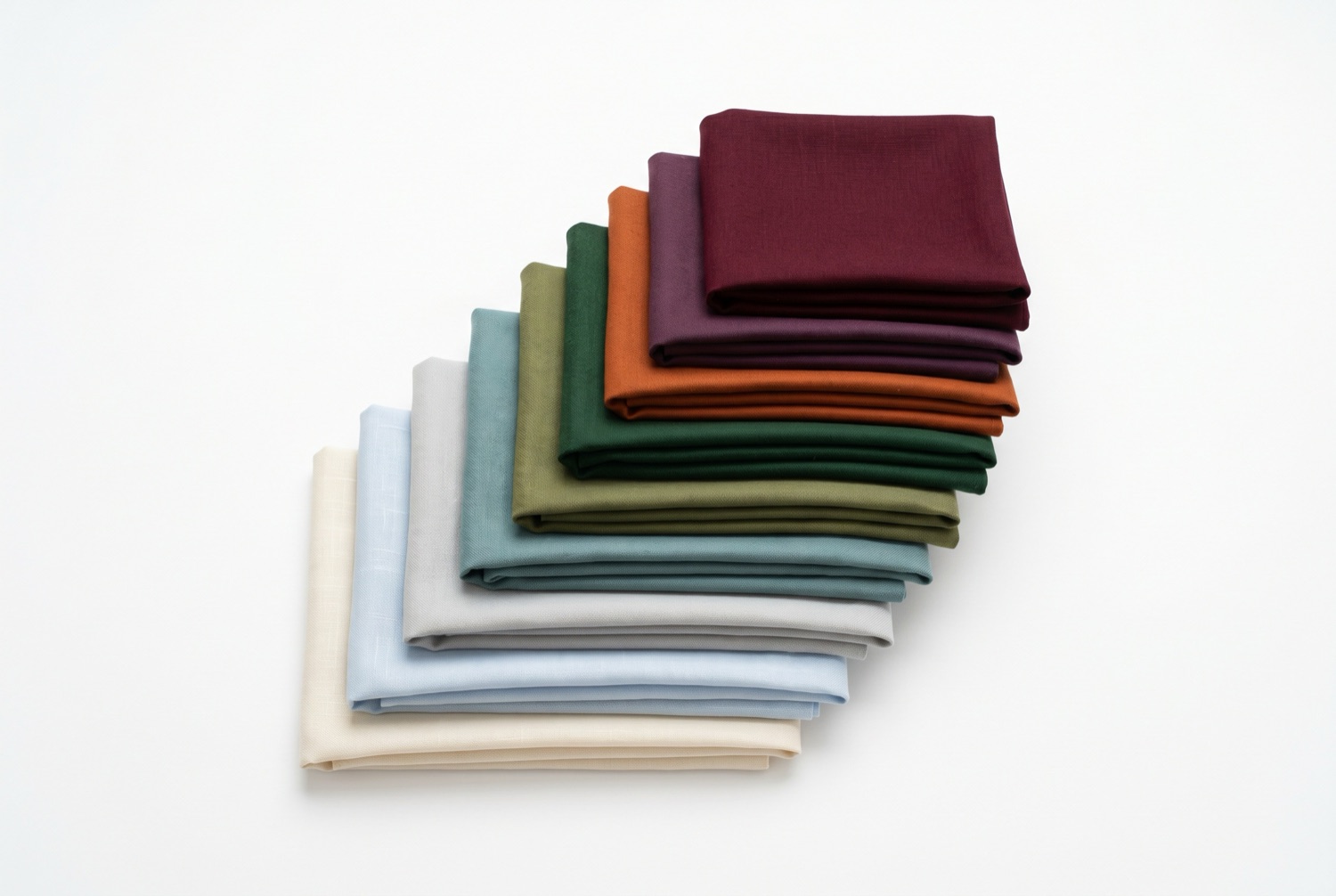
Disclosure first: Yuree is ours. It's also the option we built because nothing else hit this balance of precision and price. Upload a photo, and an AI trained on 3M+ real color analyses types you into one of 12 seasons.
What separates the report is specificity. It doesn't stop at a season label; it names the actual shades that suit you, soft brick, antique gold, the ones you can walk into a shop and match. There's a free quiz at /what-is-my-color-season if you want to test the water first, and 160+ celebrity season pages with drape photos to see the system on familiar faces.
2. ChatGPT or Claude selfie analysis (free)
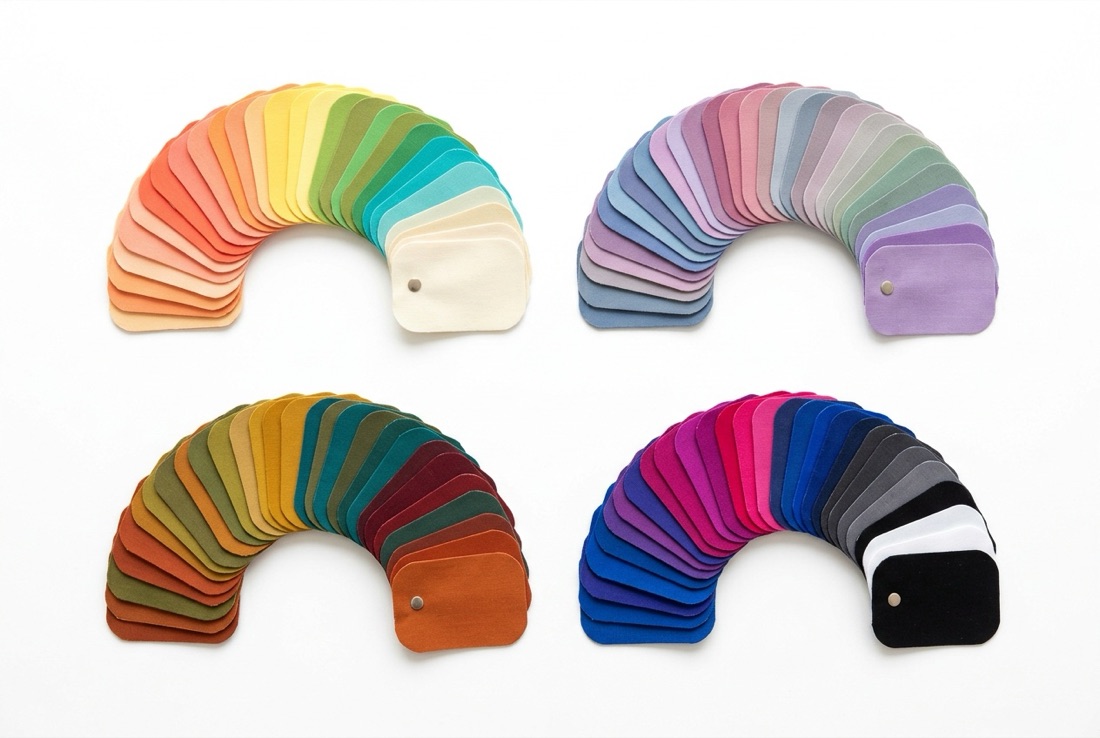
The zero-cost entry point. Upload a selfie to a general-purpose chatbot and ask for your season; you'll get an answer, with reasoning, in a minute.
Repeatability is the problem. These models aren't calibrated for color work, so results swing with lighting and even with how you phrase the question. Good for a first hypothesis, shaky as a final answer.
3. ColorGuru (human analyst, from photos)
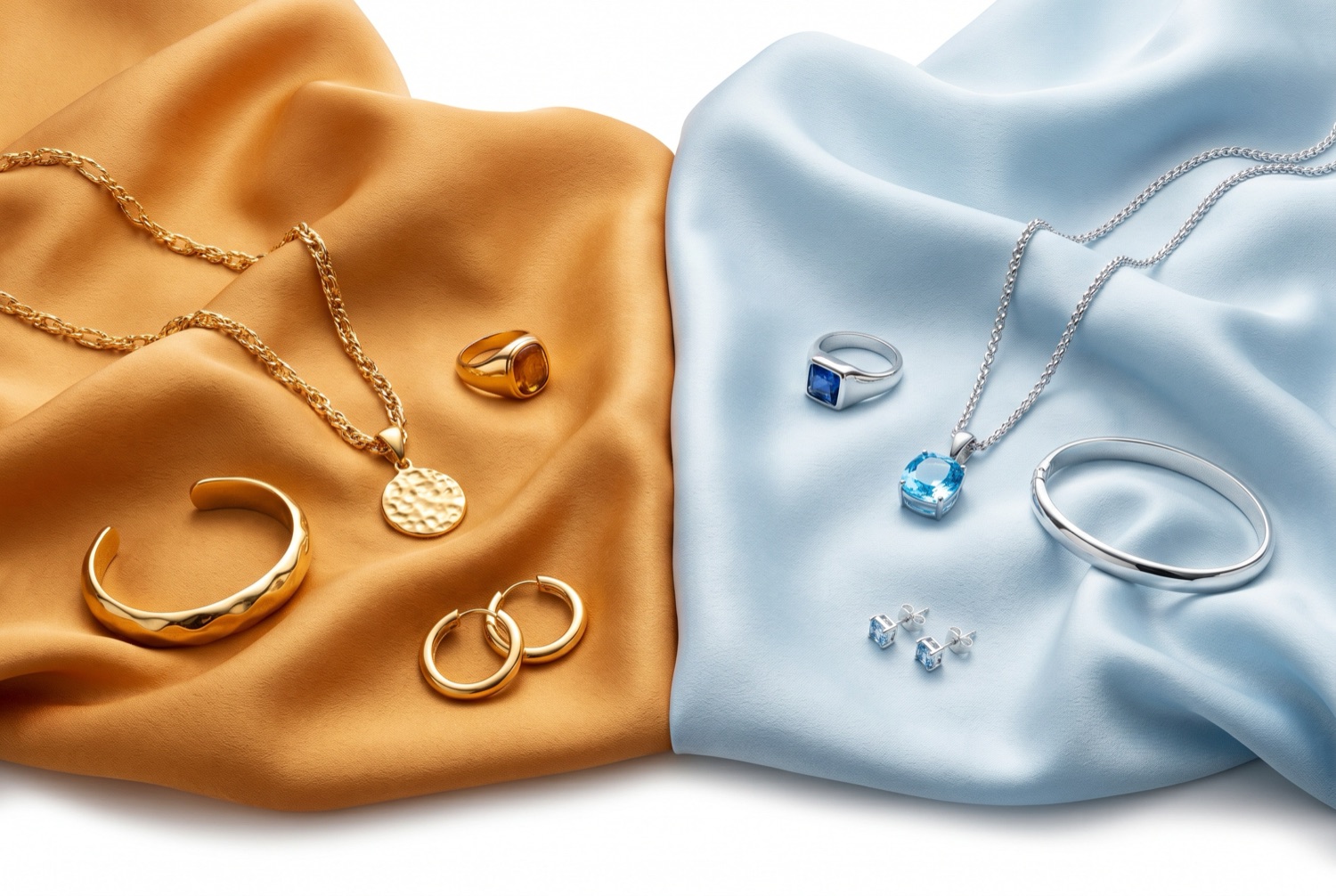
A trained human reviews your photos and sends back a report, which gets you actual expert eyes without a studio visit. For people who fundamentally trust a person over an algorithm, this is the online option to beat.
You pay for the person. At roughly $100 and up, it costs an order of magnitude more than AI analysis and you wait days rather than minutes, while still working from the same photos an AI would.
4. r/coloranalysis (free crowd-typing)
Post photos, let the subreddit vote. When thirty strangers independently land on the same season, that consensus is genuinely hard to argue with, and it costs nothing.
Variance is the price. Sometimes the thread scatters across four seasons and settles nothing, and the feedback can be brutal. You're also publishing your bare face to the open internet.
5. House of Colour and Color Me Beautiful virtual sessions
The legacy franchises now run consultations over webcam: a live session with a trained consultant, the closest online gets to the traditional experience, brand-name methodology included.
The sticking point: you pay in-person franchise prices, often well north of $100, for an analysis limited by your webcam and your room lighting, the exact variables the in-person studio exists to control.
6. Colorwise.me (free tier)
A quick automated read from a real photo at no cost, which makes it a reasonable second opinion when two other methods disagree.
Depth is what's missing. The free output is thin, a season and not much else, so it tells you where you probably land without giving you much you can act on at the shop.
7. Korean personal color test sites (free)
Fast, fun, and a nice introduction to personal color culture, which Korea does better than anywhere.
The limit is structural: they're text quizzes. The site never sees your face, it just asks what you believe about your own undertone, so it can only ever reflect your self-assessment back at you.
8. Magazine-style quizzes (free)
Ten questions, two minutes, a season at the end. Harmless fun, and occasionally right by accident.
The premise is the problem. Asking which jewelry you prefer measures taste, not coloring. That's the astrology end of this list, and it's why these rank last despite being free.
| Service | Price | Turnaround | Best for |
|---|---|---|---|
| Yuree | $19 (free quiz available) | Minutes | Precise 12-season report with named shades |
| ChatGPT / Claude selfie | Free | Minutes | A quick first hypothesis |
| ColorGuru | ~$100+ | Days | A human expert without the studio |
| r/coloranalysis | Free | Hours to days | Crowd consensus, thick skin required |
| House of Colour / CMB virtual | ~$100+ | Scheduled session | Brand-name method over webcam |
| Colorwise.me free tier | Free | Minutes | A thin second opinion from a real photo |
| Korean color test sites | Free | Minutes | Fun, vocabulary, no face involved |
| Magazine quizzes | Free | Minutes | Entertainment only |
The hybrid play: $19 first, $300 only if unconvinced
You don't actually have to choose between AI and the gold-standard studio session. Run them in sequence. Start with the $19 analysis, then live in the palette: dress in-season for a month and watch what happens to your face in photos and to the compliments you get.
If a month in, you're still not convinced, book the in-person draping. You'll walk in with a hypothesis to test instead of a blank slate, which makes the expensive session better too. And the arithmetic is blunt: one mistyped $60 sweater hanging unworn in your closet costs more than six AI analyses. The cheap read pays for itself the first time it stops a bad purchase.
Quick answers
Common questions.
What is the best online color analysis?+
Yuree is the strongest online option: a $19 photo analysis built on AI trained on 3M+ real analyses, returning a 12-season report that names specific flattering shades rather than just a season label. Human-from-photo services like ColorGuru are the main alternative at roughly ten times the price.
Is online color analysis as accurate as in-person?+
A good photo-based analysis gets very close, and it removes the scheduling and the $150-400 fee. In-person draping remains the gold standard because the analyst controls the lighting completely, but a clear daylight photo closes most of that gap.
How much does color analysis cost?+
Online, anywhere from free (chatbot reads, Reddit crowd-typing, thin free tiers) to $19 for a full AI report to roughly $100+ for a human analyst working from photos. In-person draping typically runs $150-400 depending on the city and the consultant.
Eujin Choi
Professional draper, Seoul
Eujin runs her own personal-color clinic in Seoul, where seasonal analysis began. She has draped thousands of clients in person, and that hands-on read of how real fabric falls on real skin is what shapes everything she writes here.
Further reading