
Color analysis glossary
What is color analysis?
Color analysis is the practice of identifying the specific range of colors that most flatter a person, based on the undertone, depth, and contrast of their skin, hair, and eyes.
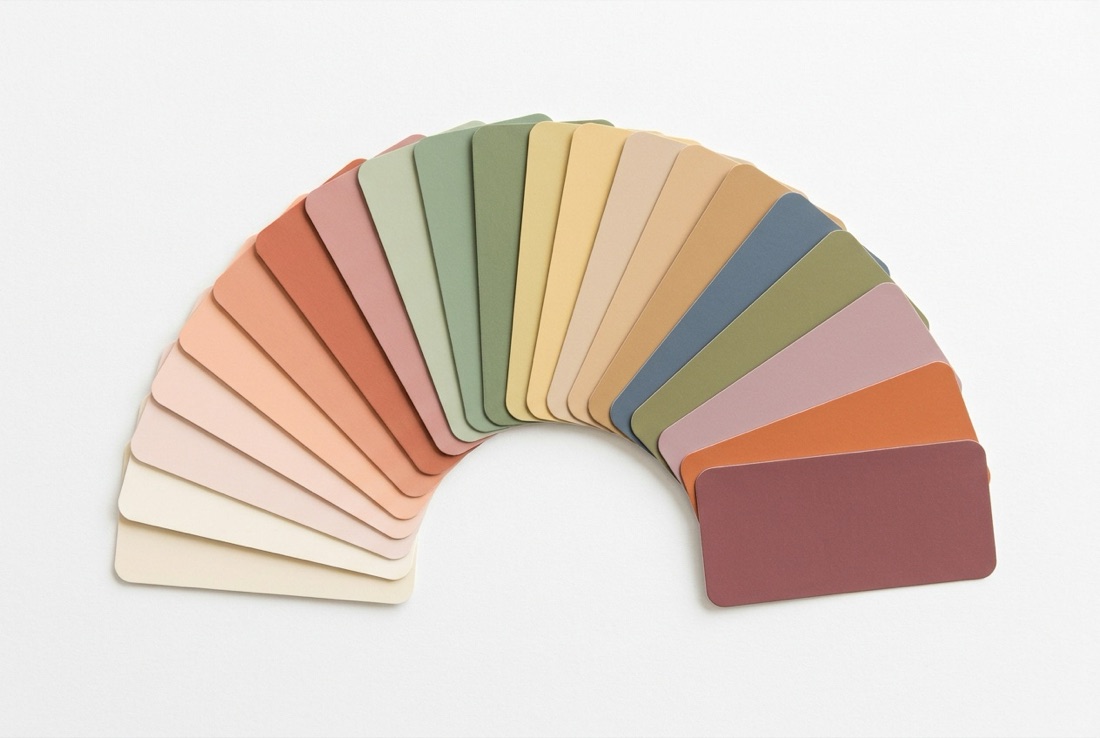
Color analysis sorts a face by three measurable qualities — undertone (warm vs cool), value (light vs deep), and chroma (soft vs clear) — and maps the result to a palette of colors that reflect light evenly onto the skin. Wear a color that shares your qualities and your face looks lit and even; wear one that fights them and it casts shadows, dullness, or unevenness.
Modern color analysis usually places a person into one of the 12 seasons (an expansion of the original four-season system). The output is a personal palette: the exact hues, plus the makeup, hair, and wardrobe shades that suit them — and an anti-palette of colors to avoid.
Related terms
Frequently asked
- Is color analysis worth it?
- For most people, yes — knowing your palette cuts shopping mistakes, makes a capsule wardrobe easy, and ensures the colors near your face make you look rested rather than washed out. An AI analysis gives you the same answer for a fraction of a salon price.
- How accurate is color analysis?
- Done well, it's highly consistent: the same person draped under neutral light lands in the same season repeatedly. Accuracy drops with poor lighting, heavy filters, or dyed hair, which can mask your true undertone and value.
- Can your color season change over time?
- Your underlying undertone stays fixed, but greying hair or significant changes in skin tone can shift your value and contrast enough to move you to a neighbouring season — most often a softer or lighter version of your original.
Keep exploring
Find your color season.
A full 12-season analysis from one selfie, in about 15 minutes.
Find my colors