
Foundation for pale skin.
How to find a base that's light enough and the right undertone, how to read the code on the bottle, and what to do when the lightest shade is still too dark.
GCBy Gemma Choi 젬마최, Beauty editor, YureeUpdated November 26, 2026
What is the best foundation for pale skin?
The best foundation for pale skin is the lightest shade in your own undertone, in a sheer to medium formula. Rosy pale skin usually needs a cool or neutral porcelain, peachy or freckled skin a light warm ivory, and skin that's neither a fair neutral. Test it on your jaw and neck and check it in daylight after ten minutes.
That's pale skin in general. Is yours cool, warm or neutral?
Fifteen quick picks tell you your undertone and your season. Free, no photo.
Why foundation looks orange on pale skin
Many ranges put most of their shades in the middle and only a few at the light end. If the lightest one is still deeper than your skin, you see the extra pigment as orange or yellow, because foundation pigments are mostly iron oxides in red, yellow and black. Even half a shade too deep leaves a visible edge at the jaw of a fair face.
Some formulas also darken as they dry. A shade that looked right in the shop can turn peachy an hour later, and fair skin has nothing to hide that behind. Choosing the right undertone fixes part of this. Choosing a lighter depth and a thinner layer fixes the rest.
How to find your foundation shade for fair skin
- 1
Check your neck first
Pale faces often carry redness that the neck doesn't have. Match the neck and the face will look even, with the pink calmed down.
- 2
Name your undertone
Hold a cool rose fabric and a peach one under your bare chin by a window. If rose evens out your skin, start with cool shades. If peach does, start with warm. If both look fine, start with neutral.
- 3
Draw three stripes
Put your best guess in the middle, the same depth in the next undertone on one side, and one shade lighter on the other. Draw them from the lower cheek down over the jaw.
- 4
Wait ten minutes, then go outside
Let the shades dry and settle before you judge them. The right stripe is the one you have to look for.
- 5
Take one photo in shade
Open shade shows a mismatch between face and neck that a bathroom mirror hides. If the face looks darker or yellower than the neck, go lighter or cooler.
Foundation colors for each kind of pale skin
Base shades from the makeup maps in our full reports. Pale skin usually sits in the first two or three of each row.
Cool pale, light hair
Usually Light Summer- Porcelain Cool#ECDDD8
- Cool Ivory#E3D2CC
- Rosy Beige#DDC4BC
- Soft Sand#D2BBB0
- Neutral Tan#C2A99E
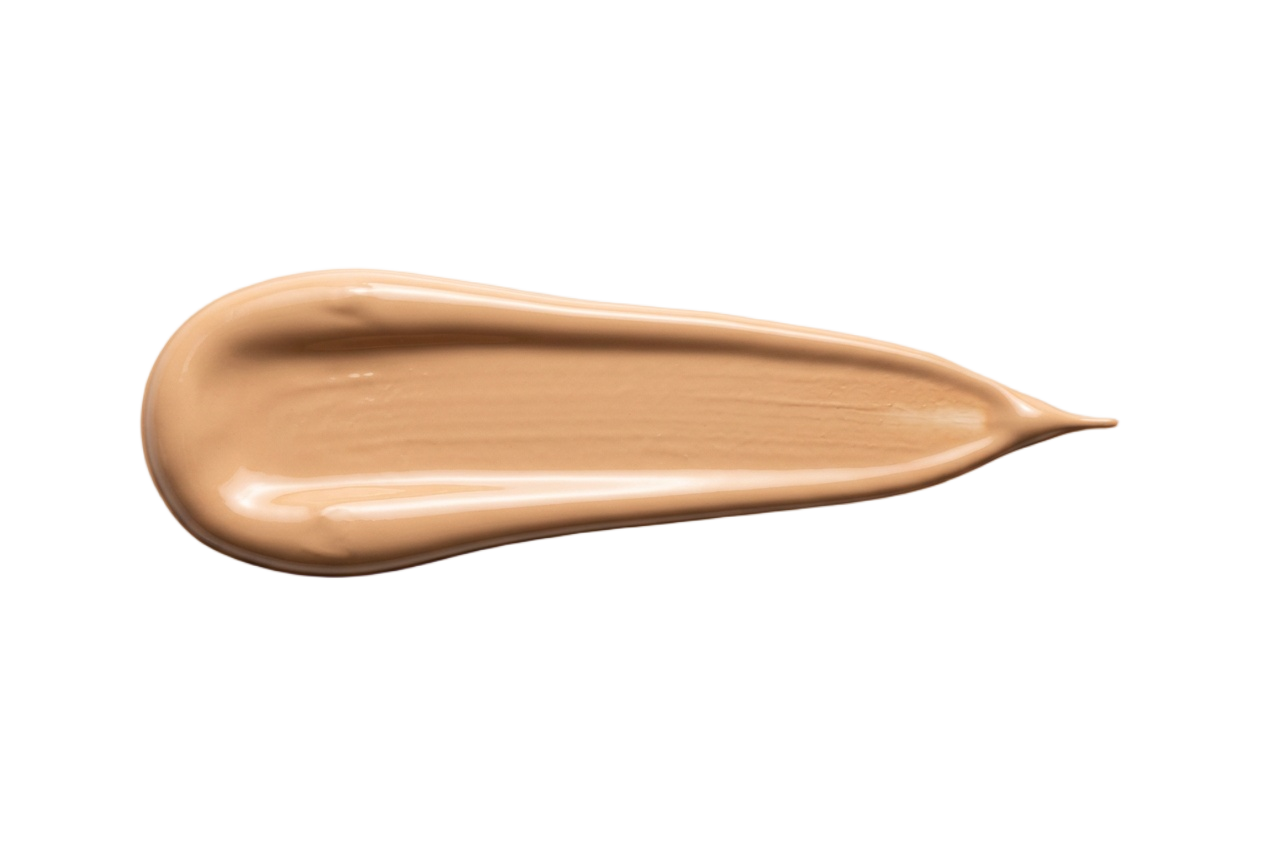
Cool pale, rosy
Usually Cool Summer- Cool Porcelain#EDDBD6
- Rosy Ivory#E2CBC5
- Cool Beige#D4B7AE
- Neutral Rose#C2A096
- Cool Tan#AE887C
Cool pale, dark hair
Usually Cool Winter- Cool Porcelain#ECDDDA
- Cool Ivory#E0CFC9
- Rosy Beige#D6BDB6
- Cool Sand#C8AEA4
- Cool Mocha#8A6E64
Soft, muted pale
Usually Soft Summer- Soft Ivory#E8DBD2
- Neutral Beige#DAC6B8
- Rosy Sand#CBB2A4
- Soft Tan#B99C8C
- Muted Mocha#9E8072
Warm pale, peachy
Usually Light Spring- Warm Porcelain#F0DAC4
- Peach Ivory#EBCFB2
- Light Beige#E2C09E
- Soft Sand#D6B38E
- Warm Buff#C9A47E
Warm pale, freckled or red hair
Usually Warm Autumn- Warm Ivory#E4C8A6
- Golden Beige#D3AC80
- Honey#C69A6A
- Amber Tan#B5854F
- Warm Bronze#9C6E42
Three kinds of pale, three sets of shades. Find your column.
The free quiz tells you which of these is yours in about two minutes. Nothing to upload.
Foundation shade codes, explained for pale skin
Most brands print depth as a number and undertone as a letter. Low numbers are usually lighter.
| On the bottle | What it usually means | Who it suits |
|---|---|---|
| C, R or P | Cool, rosy or pink base | Pale skin that flushes pink all over, neck included |
| N | Neutral, balanced base | The safest first try, and best when only the cheeks are red |
| W, G or Y | Warm, golden or yellow base | Peachy, golden or freckled pale skin |
| O | Olive, yellow-green base | Pale olive skin, where pink bases look grey |
| 00, 0 or 0.5 | Lighter than the main range | Very pale skin, when shade 1 looks like a tan |
| NW (at MAC) | Pinker, despite the name | Cool pale skin |
| NC (at MAC) | Yellower, despite the name | Warm pale skin |
Letters vary by brand, so read the brand's own description of the shade before you buy.
Light foundation shades worth swatching first
Shades from the fair end of well-known ranges, with the undertone each is described as having.
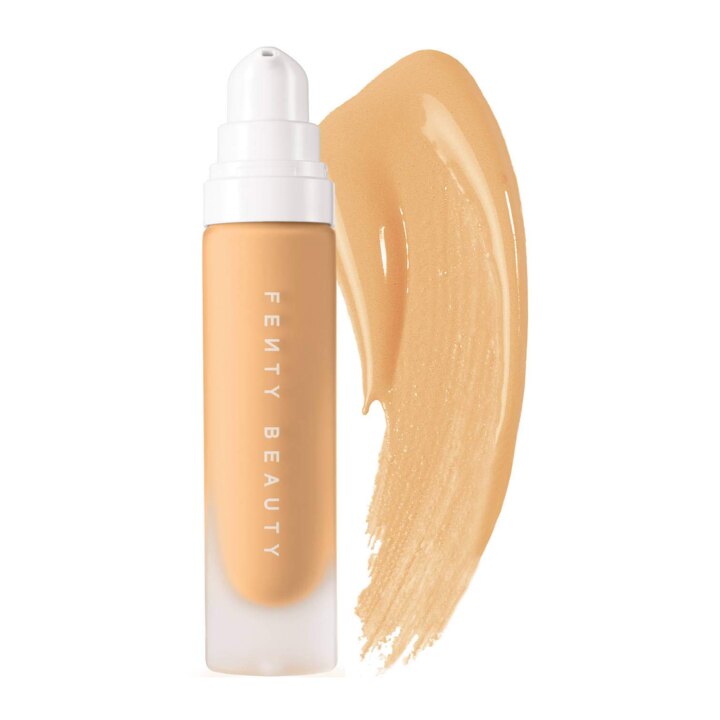
- Fenty Beauty Pro Filt'r Soft Matte Longwear Foundation
- 100 (very light, neutral), 110 (very fair, cool)
- Two undertones at the lightest end, so it's a good range for finding out which way you lean.
- Estée Lauder Double Wear Stay-in-Place Makeup
- 0N1 Alabaster (lightest, neutral), 1C0 Shell (very light, cool pink)
- Long-wearing and fuller coverage. Use a thin layer on pale skin so it doesn't look flat.
- NARS Light Reflecting Foundation
- Siberia (fair, warm)
- A pale shade on the yellow side. It suits warm fair skin and can look too yellow on pink skin.
- Maybelline Fit Me Matte + Poreless
- 102 Fair Porcelain, 105 Fair Ivory
- A drugstore range with shades below the usual starting point. 102 is its lightest.
- L'Oréal Paris True Match
- C1 Alabaster, N1 Soft Ivory
- The letter tells you the undertone, so you can compare cool and neutral at the same depth.
Shades and formulas get renamed and discontinued. Check the current listing on the brand's site before buying.
Cool, neutral or warm pale? One selfie settles it.
Every analysis includes foundation, blush, lip, eyeshadow, eyeliner and nail shades matched to your season.
Foundation problems on pale skin and how to fix them
What you see in the mirror tells you which way to move.
| What you see | Likely cause | Fix |
|---|---|---|
| Orange or peach face | Too deep, or the formula darkens as it dries | Go one shade lighter or thin it with a white mixer |
| Yellow face, pink neck | Base is too warm | Same depth in neutral or cool |
| Pink face, pale neck | Base is too rosy | Same depth in neutral, with green corrector on redness |
| Grey or ashy face | Pink base on olive or warm skin | Try olive or a light warm shade |
| Chalky face | Too light, or too much powder | Go half a shade deeper and powder only the center |
| Flat, mask-like face | Coverage is too heavy | Sheer base, then spot conceal |
When the lightest shade is still too dark
A white foundation mixer is the most useful thing a very pale person can own. Add a drop to the foundation on the back of your hand, blend it, and check the jaw. White cools a shade a little as it lightens it, so begin with a neutral or slightly warm base if you're mixing a lot.
A blue mixer does a different job: it cancels orange. Use the smallest amount you can, because too much turns grey. If you only need a little less depth, mixing in moisturizer thins the pigment and gives you a skin tint at the same time.
Best foundation formulas for fair skin with redness or freckles
Sheer and light formulas usually look best on fair skin, because some of your own color shows through. Skin tints, serum foundations and light liquids leave freckles visible. For redness, use a thin layer of green corrector around the nose and cheeks first, then press foundation over it so you need less.
Mature or dry pale skin often looks better in a hydrating, satin finish, since matte formulas collect in fine lines that show clearly on light skin. If you're oily, keep the base light and powder only the forehead, nose and chin. For sun protection, wear a separate sunscreen under your base, because few people apply enough foundation to get the SPF on its label.
Concealer, powder and flash photos
Keep concealer in the same undertone as your foundation. For blue shadows under fair eyes, a light peach corrector in a thin layer works before concealer. Deep orange correctors are made for deeper skin and show through.
Choose a finely milled translucent powder and use it sparingly. Some silica-heavy powders and some mineral sunscreens bounce flash back and turn pale faces white in photos. Take a flash selfie before a wedding or party to check yours.
Colors to wear over your base
Once foundation evens everything out, blush and lip color bring life back to pale skin.
Foundation
Cool pale
- Cool Porcelain
- Rosy Ivory
- Cool Beige
- Neutral Rose
- Cool Tan
Cool, rosy-neutral undertones. Skip golden or peachy bases, they warm and muddy you.
Dark hair, cool pale
- Cool Porcelain
- Cool Ivory
- Rosy Beige
- Cool Sand
- Cool Mocha
Cool, neutral undertones with a pink or blue cast. Golden or olive bases muddy your clarity.
Warm pale
- Warm Porcelain
- Peach Ivory
- Light Beige
- Soft Sand
- Warm Buff
Light, warm-neutral undertones with a peachy cast. Skip pink or deep bases, they overwhelm your delicacy.
Blush
Cool pale
- Cool Rose
- Soft Berry
- Dusty Plum
- Raspberry
- Mauve Pink
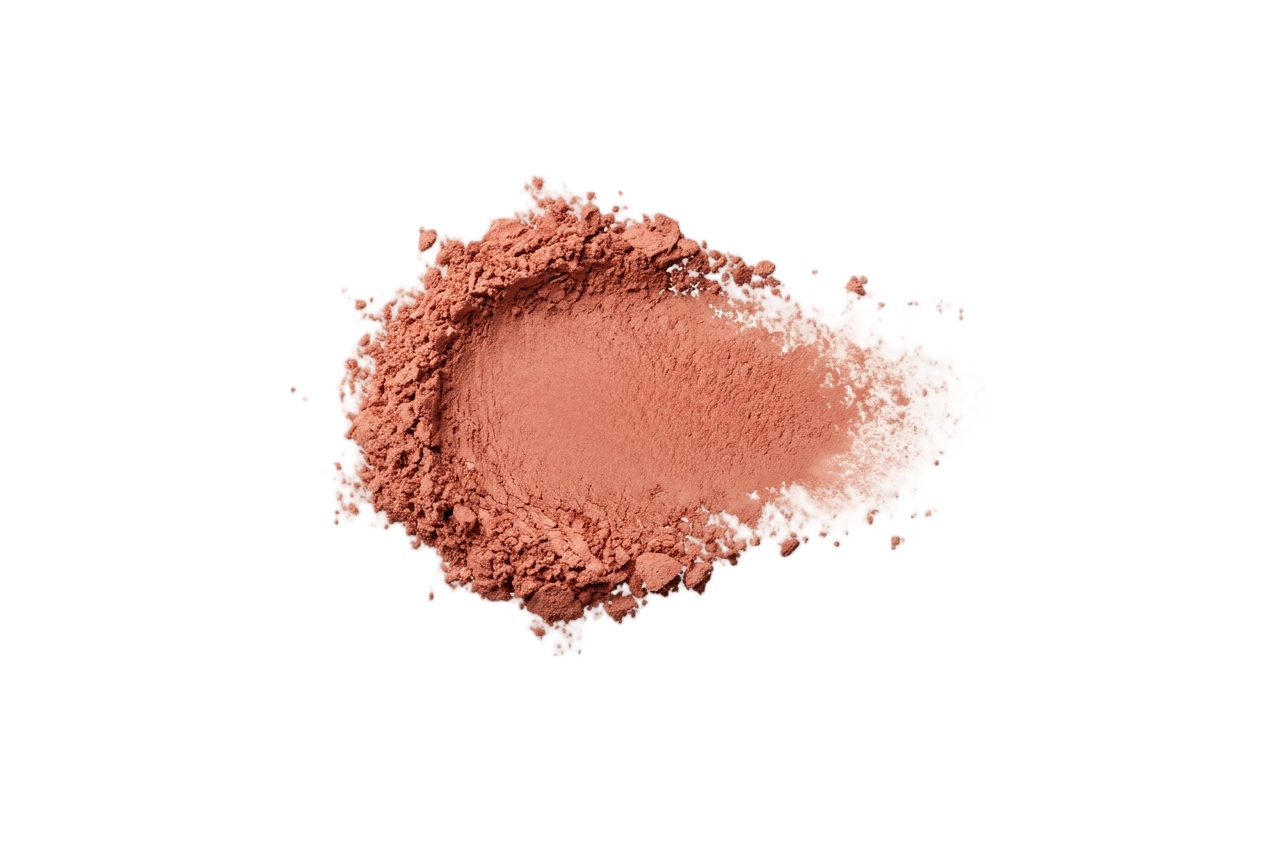
Cool rose, soft berry, and plum. Peach and coral fight your cool tone.
Dark hair, cool pale
- Cool Pink
- Berry
- Soft Plum
- Cherry Flush
- Rose
Cool pink, berry, and soft plum. Peach and warm bronze grey you out.
Warm pale
- Peach Blossom
- Soft Coral
- Warm Pink
- Apricot
- Petal Peach
Warm peach, coral, and light apricot. Cool berry and plum grey out your fresh warmth.
Lips
Cool pale
- Cool Rose
- Raspberry
- Soft Mauve
- Berry
- Dusty Pink
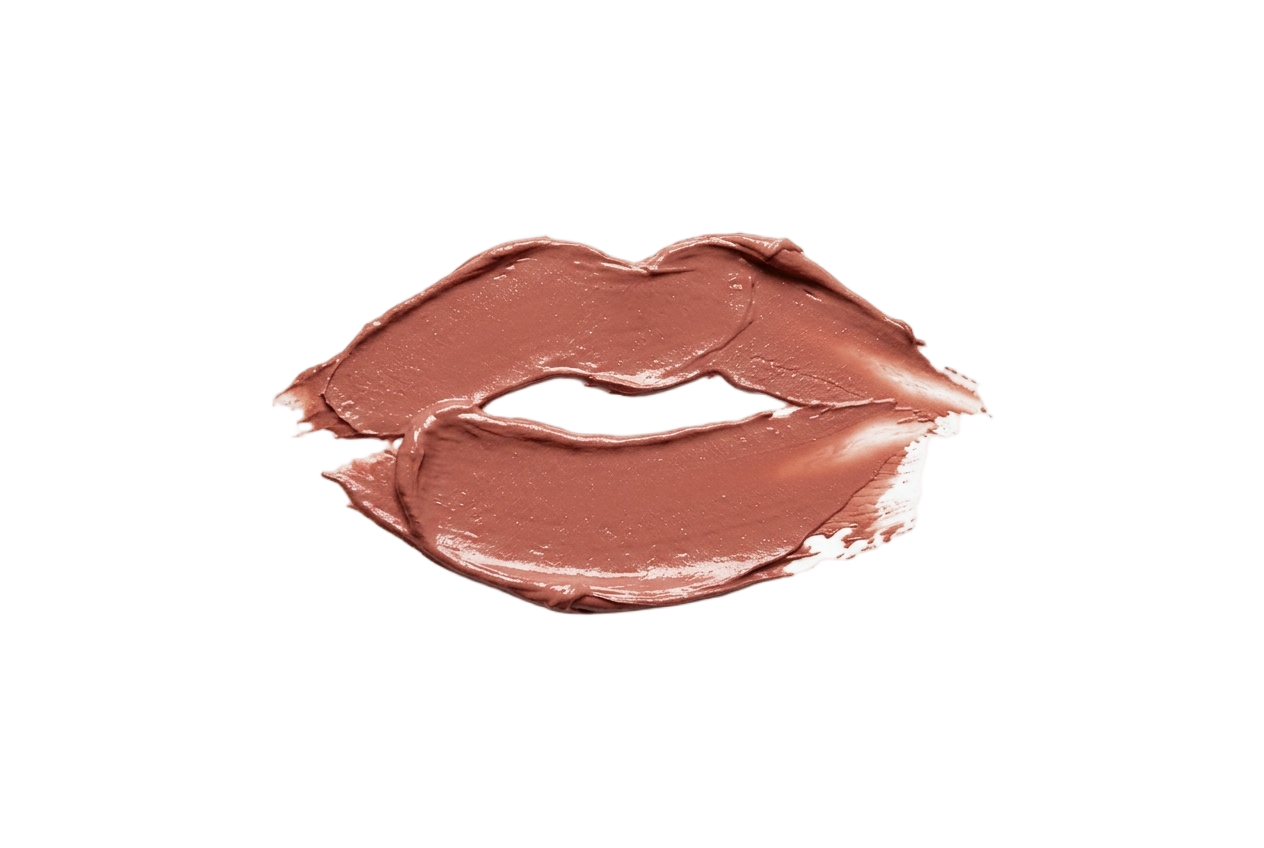
Cool rose, soft raspberry, and mauve. Skip orange-reds and warm corals.
Dark hair, cool pale
- True Red
- Cool Berry
- Fuchsia
- Plum
- Cherry
True red, cool berry, fuchsia, and plum. Skip coral, brick, and warm nudes.
Warm pale
- Peach Nude
- Warm Coral
- Petal Pink
- Soft Salmon
- Warm Rose
Peachy pink, coral, and warm nude. Skip deep wines and cool blue-reds.
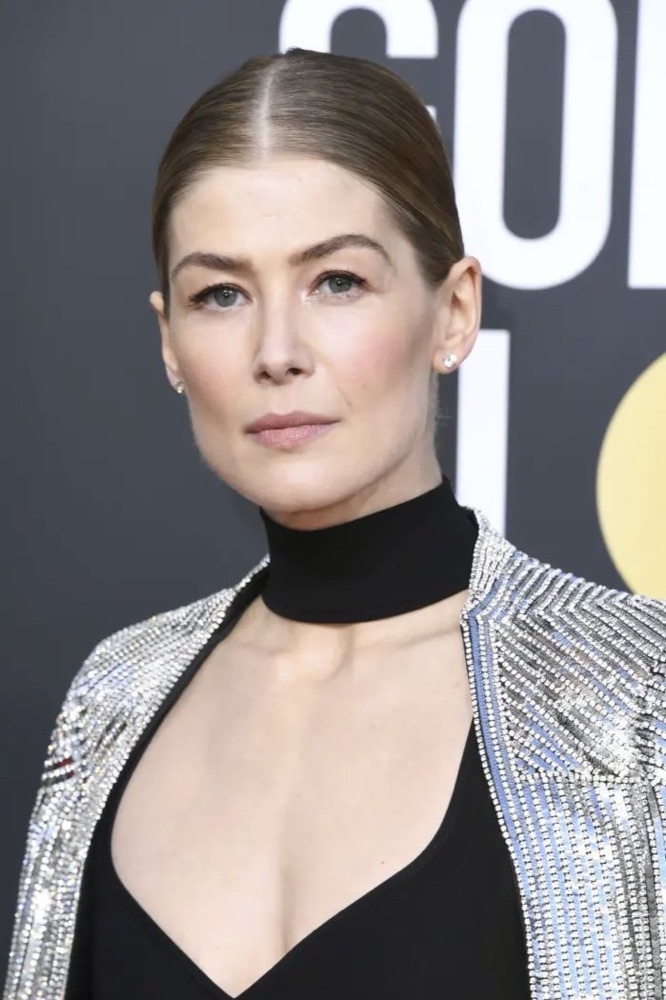
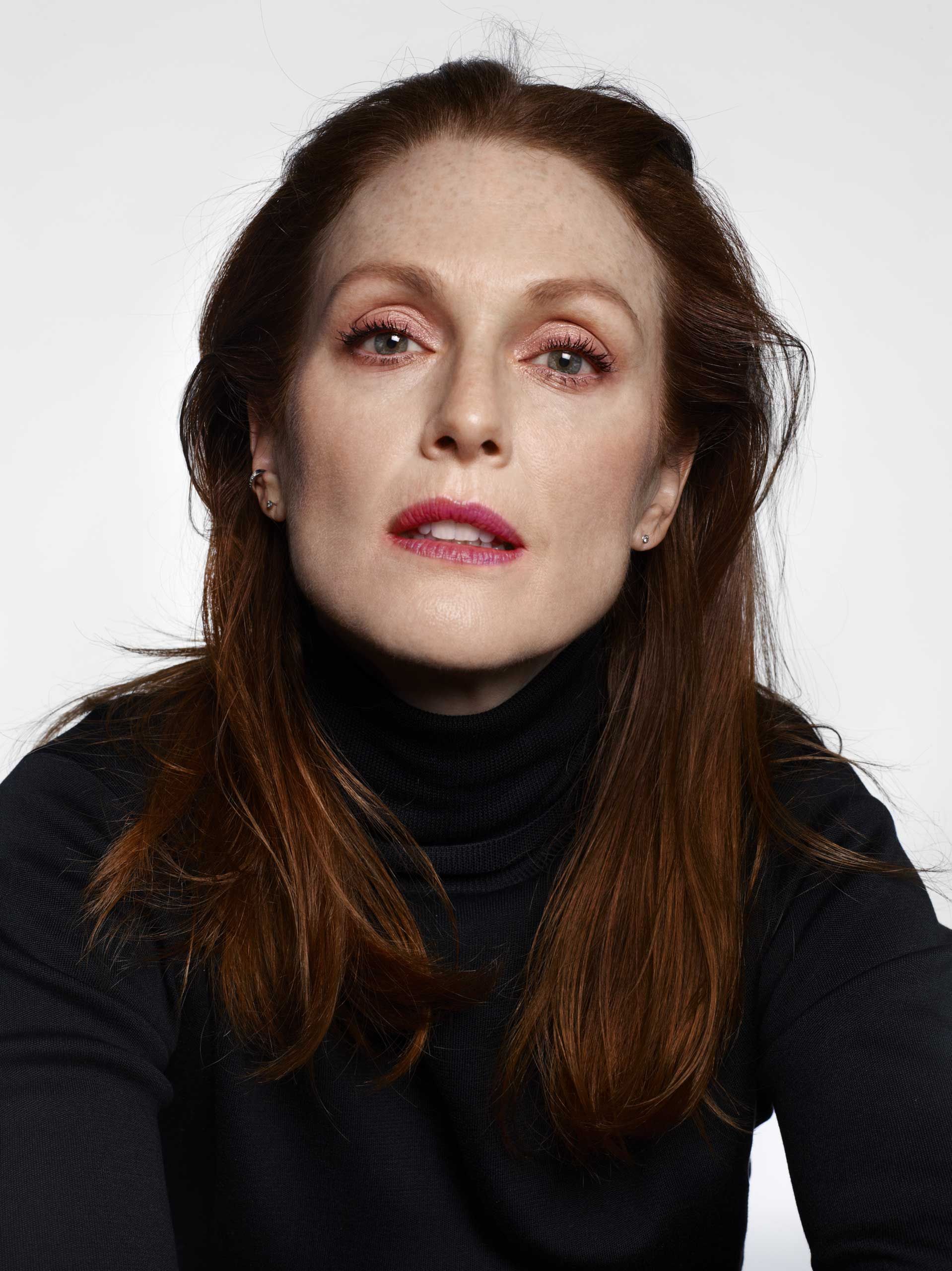
Pale-skinned celebrities by undertone
Open any of them to see the foundation, blush and lip map for her season.




Common questions
What foundation shade is best for pale skin?
The lightest shade that disappears on your jaw and neck, in your own undertone. Look for names like porcelain, alabaster or fair ivory, and for low numbers such as 00, 0 or 100. Rosy skin starts with cool or neutral, peachy skin with warm.
What is the best foundation for fair skin?
The same rules apply to fair and pale skin: match the undertone first, go light in depth, and choose a sheer to medium formula. Fair skin that tans a little may need a second, slightly deeper shade for summer.
Why does foundation look orange on my pale skin?
The shade is usually too deep or too warm, or it darkens as it dries. Go one shade lighter, try a neutral undertone, wear less of it, or mix in a drop of white or blue adjuster.
Should pale skin use a cool or warm foundation?
Match your undertone. Pale skin can be cool, warm or neutral. If your neck looks pink or bluish, start with cool. If it looks peach or golden, start with warm. If you can't tell, neutral is the safest first try.
What is the lightest foundation shade?
It depends on the range. In Fenty Pro Filt'r it's 100, and Maybelline Fit Me Matte + Poreless starts at 102 Fair Porcelain. If those are too dark, a white foundation mixer lightens any base.
Is ivory or porcelain lighter?
Porcelain is usually the lighter and pinker or more neutral of the two, and ivory usually has more yellow in it. Brands use the names differently, so check the undertone description and swatch both.
What foundation coverage is best for pale skin?
Sheer to medium. Light coverage keeps your natural flush and freckles, which stops pale skin looking flat. Use concealer only where you need more.
Still not sure which pale you are?
Fifteen picks and you'll know your season and the shades that fight it. Free, no photo, no email.
More for pale skin.
- Hair color for pale skinHair
- Lipstick for pale skinBeauty
- Makeup for pale skinBeauty
- Bronzer for pale skinBeauty
- Nail color for pale skinBeauty
- Best colors for pale skinClothing
- Makeup for pale skinBlog
- Bronzer for pale skinBlog
- Lipstick for pale skinBlog
- Best colors for pale skinBlog
- Foundation for olive skinBlog