
Contents+
Quick answer
- Best overall: Yuree, $19 one-time, dedicated 12-season model
- Longest color lists: Dressika, up to ~$40 one-time
- Virtual try-on: Vivaldi Color, ~$96 a year
- Learn it yourself, free: Colorwise.me
- Free first hunch: ChatGPT
The best Color-Analysis.app alternative is Yuree, a $19 one-time photo analysis that runs a dedicated model trained on 1M+ real expert analyses and returns a full 12-season report with named shades, makeup picks and an avoid list. The other strong options are Dressika for long color lists, Vivaldi Color for virtual try-on, Colorwise.me for free DIY draping, ChatGPT for a quick free guess, and an in-person draping session if you want a human in the room.
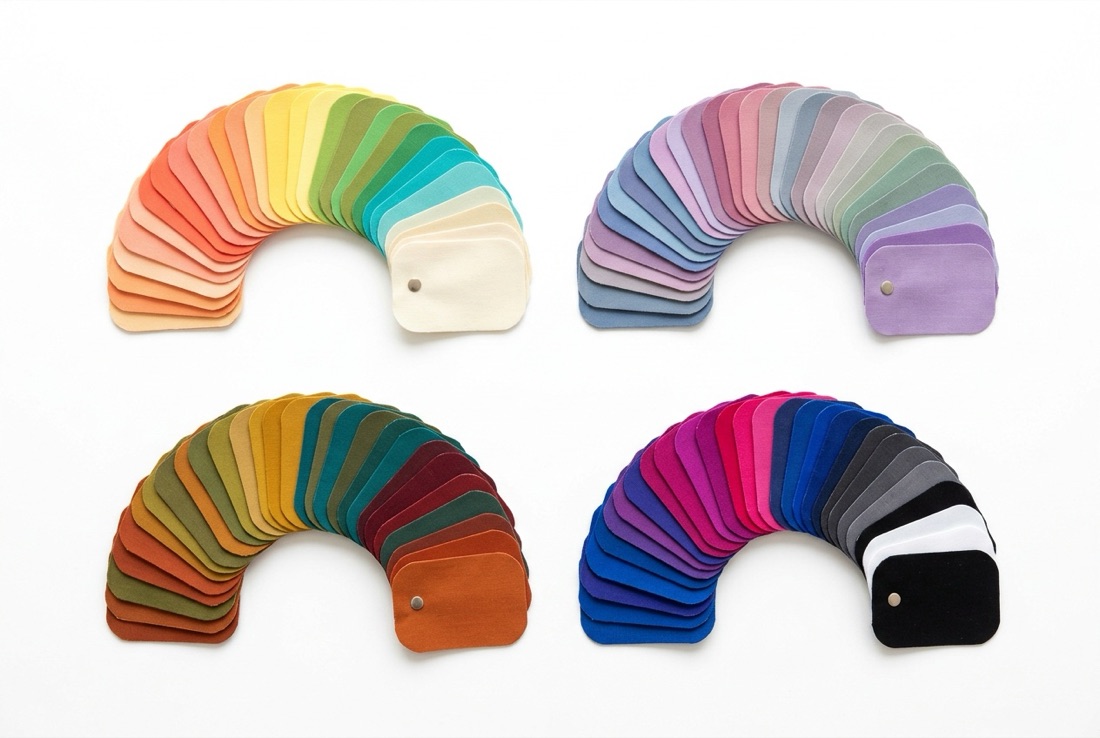
Why people look for a Color-Analysis.app alternative
Color-Analysis.app is a web quiz: you answer questions about your coloring, optionally add a photo, and it returns a 12-season type with an undertone, a contrast level, a palette and some styling tips. The homepage pitches it as free with no registration, and results arrive in minutes.
That makes it a good first step, and it's also why people go looking for a second opinion. A quiz leans on how you describe yourself, and most people misjudge their own undertone. If your result felt off, or a friend's app gave you a different season, the fix is a read from a tool that measures your photo directly.
One practical note: the site also carries refund and cancellation pages, which usually means some features are billed. Read the checkout screen carefully before you enter a card, on that site or any of the ones below.
Disclosure: Yuree is ours. Facts about the other tools come from their own sites and app store listings, checked November 2026, and each one gets the use case it genuinely wins.
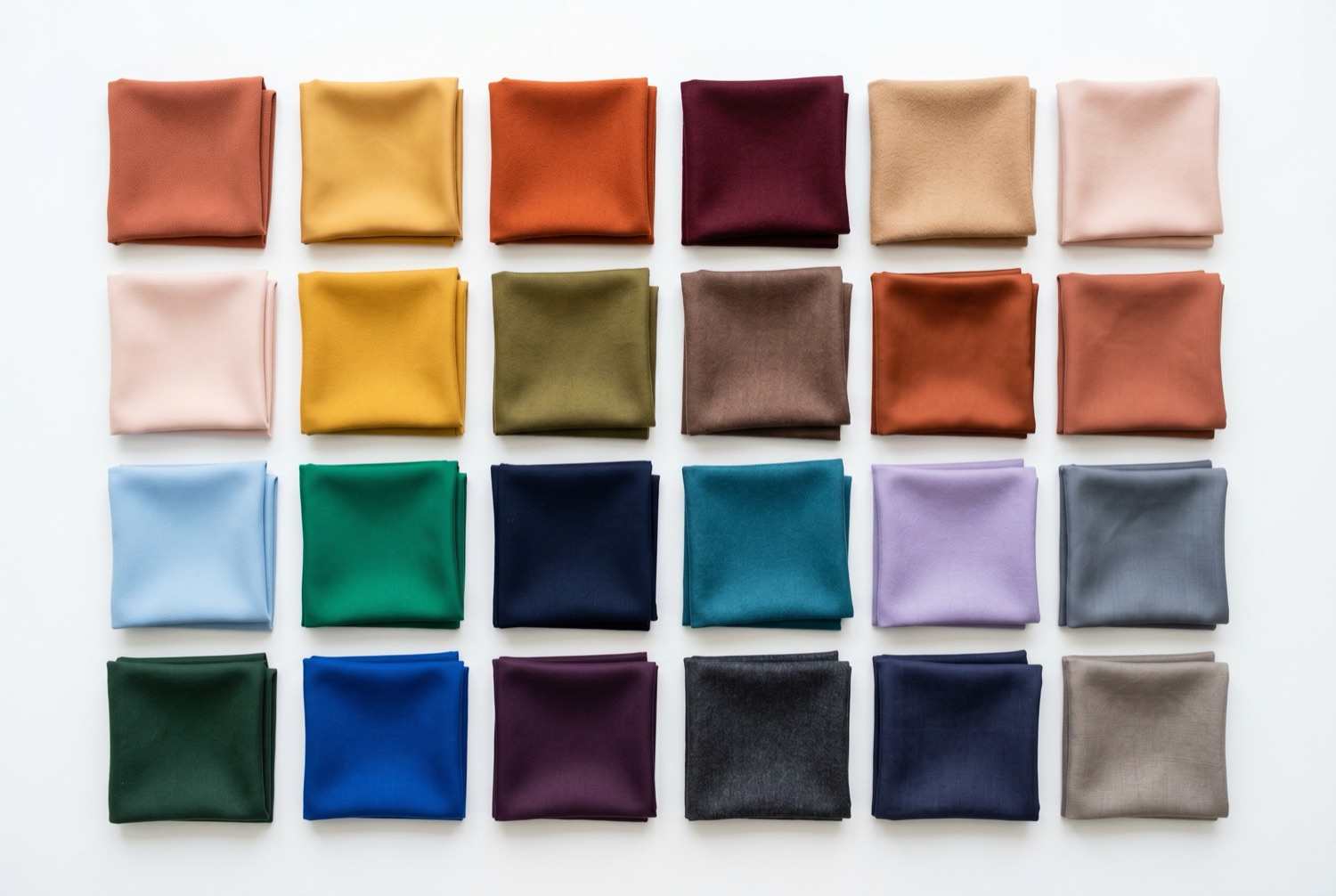
| Tool | Price | How it reads you | 12 seasons | What you get |
|---|---|---|---|---|
| Color-Analysis.app | Free quiz (paid features exist) | Quiz answers + optional photo | Yes | Season, undertone, palette, tips |
| Yuree | $19 one-time | Dedicated model, 1M+ analyses | Yes | 24 named shades, hex codes, makeup, avoid list |
| Dressika | Up to ~$40 one-time | Model, thousands of drapings | Yes | 120 clothing, 170 makeup, 180 hair colors |
| Vivaldi Color | ~$96 a year | Quiz + photo | Yes | Season + 200+ try-on shades |
| Colorwise.me | Free / $14.99 extras | You (manual inputs) | Paid tier | Season suggestion, camera drapes |
| ChatGPT | Free | General chatbot | If asked | Whatever you ask for, in chat |
| In-person draping | $150-400 | Human consultant | Depends on system | Live draping + swatch book |
1. Yuree ($19 one-time, best overall)
Yuree reads your season from one photo with a model built for exactly this job, trained on 1M+ real analyses by color experts. It agrees with a $200+ in-studio draping 9 out of 10 times, and the same selfie gets the same answer every time.
The report is where it pulls ahead of a quiz result. You get your season, a 24-shade palette with names you can actually shop for (soft brick, antique gold, smoky teal), hex codes, lipstick and blush picks, your best metals and hair colors, and the specific shades that drain you. It's one payment of $19 with no subscription, and there's a free season quiz if you want to compare answers first.
2. Dressika (up to ~$40 one-time)
Dressika is the closest in format to Yuree: upload a selfie, pay once, get a season. Its selling point is sheer volume, with 120 clothing, 170 makeup and 180 hair colors in the result, and by its own description it's trained on thousands of professional drapings.
Pick it if you love long lists and want every possible option in front of you. People who want a short, curated palette they can take into a shop tend to find the volume harder to use.
3. Vivaldi Color (~$96 a year)
Vivaldi Color pairs a season quiz and photo with virtual try-on: swipe through 200+ lipstick, hair and clothing shades on your own face. It's polished and genuinely fun, and the free quiz lets you preview before paying.
The trade-off is the subscription, around $8 a month, and a season that still starts from quiz answers. It's the best pick here for playing with makeup on screen.
4. Colorwise.me (free, DIY)
Colorwise.me hands you the controls: you pick your skin, hair and eye colors, or hold digital drapes up to your camera, and it suggests a season. It's a lovely way to learn how undertone, depth and chroma interact, and the core tool costs nothing. 12-season subtyping sits in a $14.99 tier.
Since you supply the inputs, it shares the same weak spot as a quiz: the answer is only as good as your own read of your coloring. Use it to learn the theory, then check the result with a tool that does the reading for you.
5. ChatGPT (free, inconsistent)
Upload a selfie, ask for your color season, and ChatGPT will give you one with a confident explanation. For a zero-cost hunch it's fine.
Repeatability is the catch. Open a new chat with the same photo and you can get a different season, because a general chatbot has no fixed method for reading coloring and reacts strongly to the light in each photo. Treat it as a hypothesis and confirm it before you buy anything.
6. In-person draping ($150-400)
The gold standard: a trained consultant holds fabric drapes under your face in controlled light and watches what each one does to your skin. If you live near a good studio and want a human expert in the room, it's the most thorough option on this list.
It costs ten to twenty times a photo analysis and needs a booking. A sensible order is to get a $19 read first, wear the palette for a few weeks, and book a studio only if you're still unsure. You'll walk in with a hypothesis to test, which makes the session better too.
Which alternative should you pick?
- Want an accurate season and a full report, paid once: Yuree.
- Want the longest possible list of colors: Dressika.
- Want to try lipstick and hair shades on screen: Vivaldi Color.
- Want to learn color theory hands-on for free: Colorwise.me.
- Want a free guess in the next minute: ChatGPT.
- Want a human expert and have the budget: in-person draping.
How to check which result is right
If Color-Analysis.app and another tool disagree, test the two seasons against each other. Stand by a window in daylight, hold a top or scarf from each palette under your chin, and take a photo of each. The right season evens your skin, brightens your eyes and softens shadows; the wrong one adds grey under the eyes or makes your face look flat.
Most disagreements come down to neighbouring seasons, such as soft autumn and warm autumn, or deep autumn and deep winter. Our season-vs-season comparison guides, linked below, walk through the exact tells for each pair.
Quick answers
Common questions.
What is the best Color-Analysis.app alternative?+
Yuree is the strongest alternative: a $19 one-time photo analysis from a dedicated 12-season model trained on 1M+ real expert analyses, with a full report of named shades, makeup picks and colors to avoid. Dressika and Vivaldi Color are the main paid alternatives, and Colorwise.me and ChatGPT are free.
Is Color-Analysis.app accurate?+
It's a reasonable starting point, but a quiz depends on how you describe your own coloring, and undertone is the thing most people get wrong about themselves. If the result doesn't feel right, check it with a tool that reads your photo directly, then test the two seasons side by side in daylight.
Is there a free alternative to Color-Analysis.app?+
Yes. Colorwise.me is a free DIY draping tool, ChatGPT will attempt a free read from a selfie, and Yuree has a free season quiz. For a full report you can shop from, Yuree's photo analysis is $19 one-time.
Why did different color analysis apps give me different seasons?+
Usually because they read you differently: quizzes depend on your self-description, chatbots react to the lighting in each photo, and trained models measure your coloring directly. Most disagreements land on neighbouring seasons, so compare those two palettes in daylight to settle it.
Eujin Choi
Professional draper, Seoul
Eujin runs her own personal-color clinic in Seoul, where seasonal analysis began. She has draped thousands of clients in person, and that hands-on read of how real fabric falls on real skin is what shapes everything she writes here.
Further reading