
Contents+
The clearest signs you're wearing the wrong colors: people ask if you're tired when you slept fine, compliments go to the outfit instead of you, you look worse in photos than in the mirror, and foundation seems off at the jaw only in certain shirts. The colors are casting the wrong light on your face, and everyone reads it as fatigue.
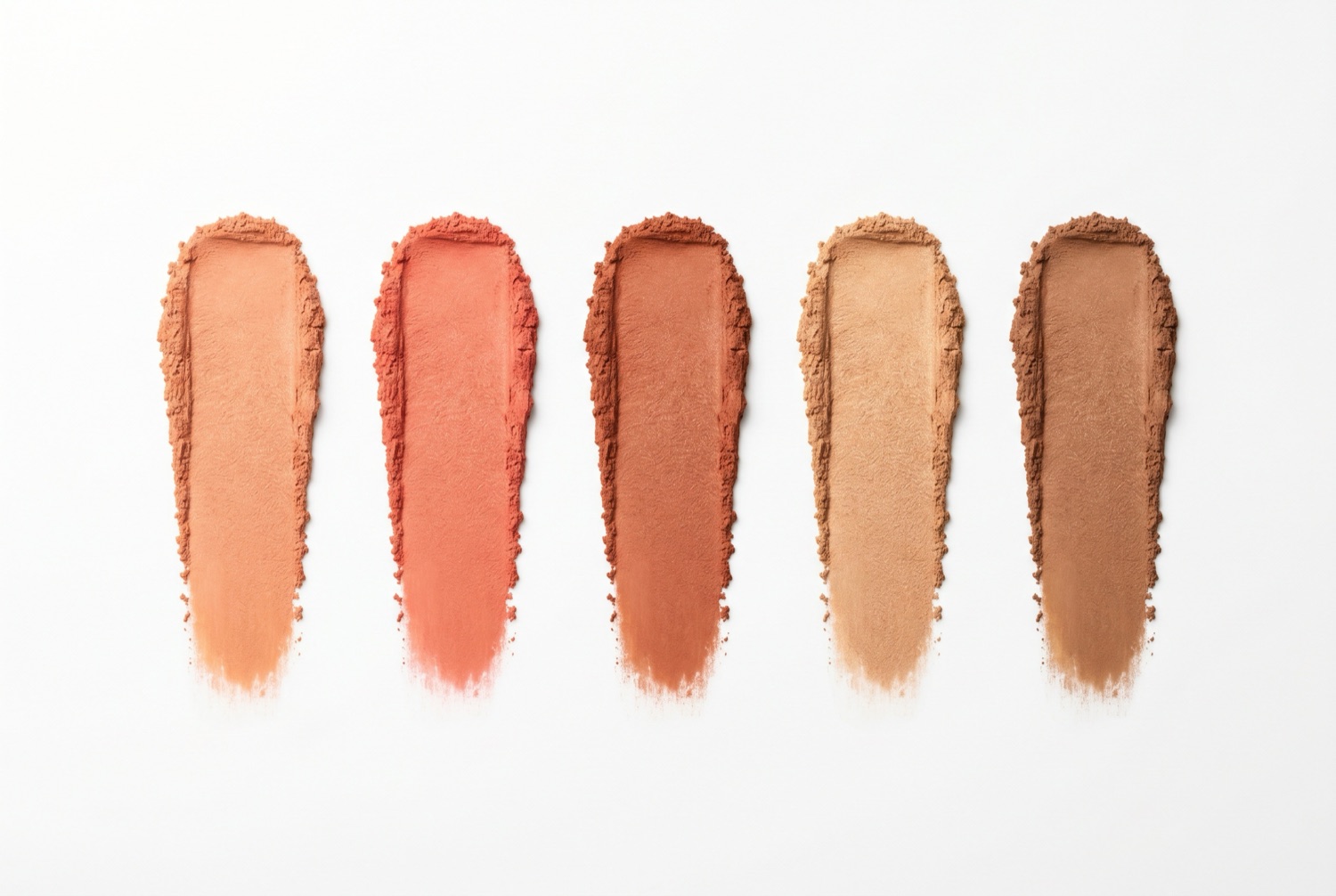
1. People ask if you're tired when you slept fine
This is the classic, and it stings because it's sincere. A wrong-temperature color bounces light onto your face that deepens under-eye shadows and greys the skin, and the human brain files that pattern under one word: tired. Nobody says 'your shirt is casting a cool shadow on your jaw.' They say 'long night?' If you hear it on days you feel great, check what you were wearing each time.
2. Compliments go to the outfit, never to you
'I love that dress' and 'you look amazing' are different reviews. When a color matches your coloring, it recedes and pushes your face forward, so people compliment you. When it clashes, the fabric wins the fight for attention and people compliment it. An entire wardrobe of 'great top!' with no 'you look great' is a wardrobe that keeps beating you on camera-time.
3. You look better in the mirror than in photos
Your mirror shows you in motion, in flattering home lighting, with your brain quietly editing. A photo is a frozen record of exactly what light your outfit threw at your face, and flash makes wrong-temperature reflections worse. If the camera consistently 'hates' you, it may not be your angles. It may be documenting a color mismatch your mirror keeps forgiving.
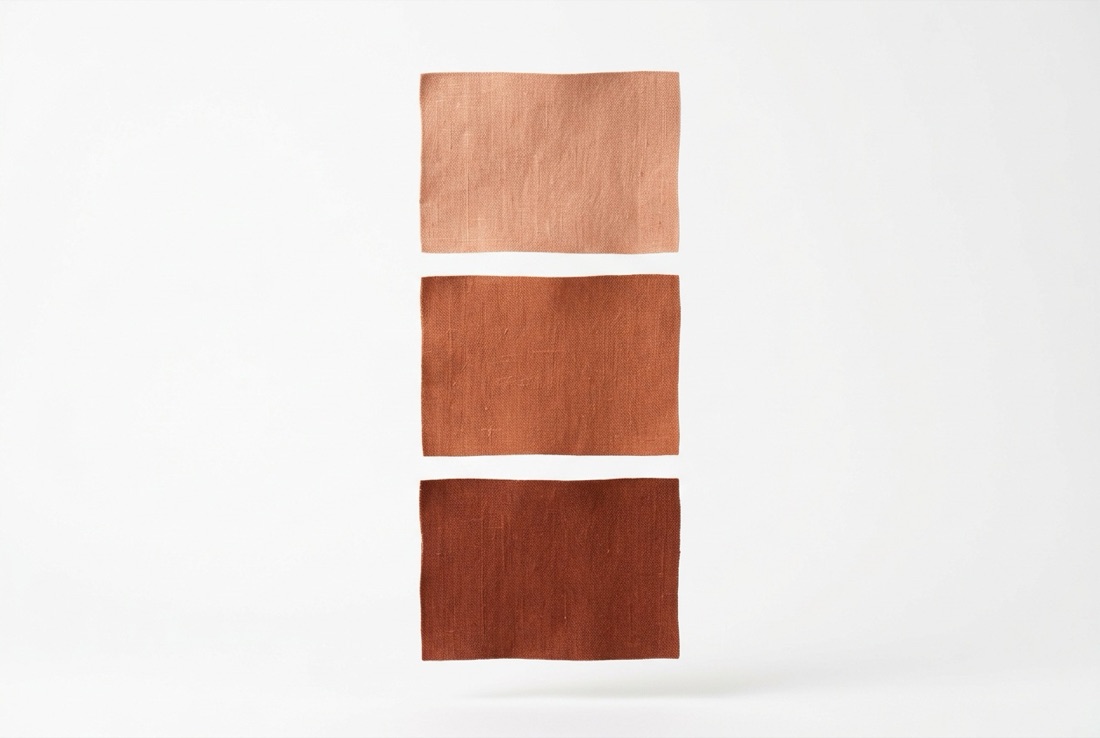
4. Your good photos share a color, and you never noticed
Scroll the photos of yourself you actually like. There's a decent chance a suspicious number share a color family, that one green shirt, that berry dress, and you've been calling it coincidence for years. That's not luck. That's your palette flagging itself, and you've been ignoring the flag.
5. Your foundation looks wrong at the jaw, but only in certain shirts
If your foundation matches on some days and floats like a mask on others, and you haven't changed brands, the variable is the shirt. A clashing color shifts the apparent tone of your skin, so the foundation that matched your actual face no longer matches the face the shirt is creating. People re-buy foundation three times before suspecting the wardrobe.
6. You default to black because everything else feels risky
Black feels safe because it fails predictably, while colors fail in ways you can't name. But for most people black isn't safe, it's just a familiar loss: it hollows the under-eyes of anyone without strong natural contrast. Reaching for black daily usually means you've never found colors that reliably win, so you settled for one that reliably ties.
7. Your jewelry looks borrowed rather than yours
Metals obey the same physics as fabric. The right one, gold on warm skin, silver on cool, melts in and reads as part of you. The wrong one sits on the surface like it belongs to someone else, and you can't articulate why the necklace 'isn't working.' If your jewelry box feels like a stranger's, you've likely been buying the wrong temperature for years.
8. Lipstick shades die on you that thrive on your friends
The bullet is identical; the face underneath isn't. A blue-based red on a warm face turns harsh, and a warm coral on a cool face goes muddy, so the shade that made your friend luminous makes you look like you're trying something. If most viral lipsticks fail on you, they probably share an undertone, and it isn't yours.
9. You look healthier in borrowed clothes of a certain shade
The vacation photo in your sister's rust sweater where you look inexplicably well. The friend's teal jacket that made three people ask if you'd been away. Borrowed clothes are accidental drape tests, run without your habits interfering, and when a borrowed shade beats your entire closet, it's telling you your closet was chosen by the wrong instincts.
10. Cropping your shirt out of a photo improves your face
Try it. Take a photo you dislike and crop to just your face. If you suddenly look fine, your features were never the problem, the reflected color was. That greyness you were blaming on age or sleep vanished with the fabric. This is the cheapest color analysis there is, and it's damning.
What to do about it
Every sign above traces back to three dials being set wrong: temperature (you're wearing cool when you're warm, or the reverse), depth (colors too heavy or too pale for your coloring), and chroma (too loud for a soft face, too muted for a bright one). Get those three settings right and the tired comments stop, the photos improve, and the compliments start landing on you.
You don't have to work them out shade by shade. The free quiz at /what-is-my-color-season reads all three dials in a few minutes and hands you your season, the full flattering palette, and the specific colors that have been doing this to you.
Quick answers
Common questions.
How do I know if I'm wearing the wrong colors?+
The reliable signs: people ask if you're tired when you're not, compliments go to your outfit instead of you, you photograph worse than you look in the mirror, and your foundation seems mismatched only in certain shirts. Confirm by cropping a photo to just your face, if you look better, the color was the problem.
Why do I look tired in some shirts?+
The shirt reflects light onto your face, and a wrong-temperature or wrong-depth color deepens under-eye shadows and adds a grey or sallow cast. People read that pattern as fatigue. The same face in a matching color looks rested, because the reflected light evens the skin instead.
Can wearing the wrong colors age you?+
It can add the appearance of years. Mismatched colors emphasize shadows, dullness, and unevenness, the same cues we read as aging, while matched colors even the skin and brighten the eyes. It's reversible the moment you change the shirt, which is more than most anti-aging advice can say.
Emily Kim
Color researcher, Yuree
Emily researches color theory and the science behind seasonal analysis at Yuree. She digs through the studies and the data so the guides are built on more than vibes, and translates the findings into steps you can actually follow.
Further reading